
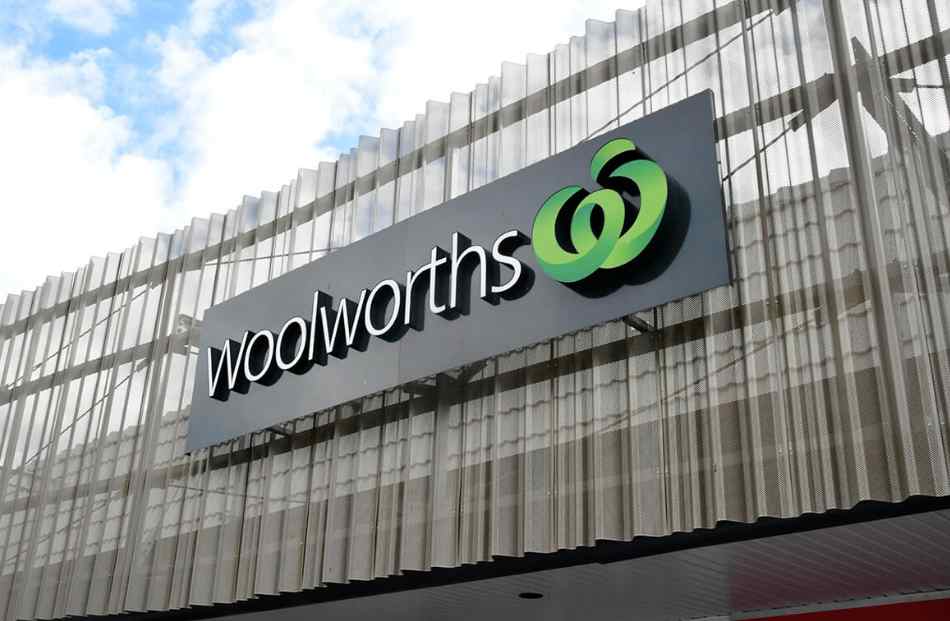
The physical exterior of a business location serves as its primary visual anchor within a local community. Every day, thousands of commuters, pedestrians, and potential clients pass by commercial properties, forming rapid impressions based on building presentation and visual clarity. When exterior signage is dated, poorly positioned, or difficult to read from a distance, visitors experience friction before ever stepping through the front door. Designing an effective exterior layout requires evaluating traffic patterns, architectural scaling, weather conditions, and local zoning guidelines to ensure your property remains recognizable and accessible.
Planning architectural signs involves balancing structural design with functional wayfinding. Factors like viewing angles, contrast ratios, height restrictions, and lighting conditions dictate how quickly passing drivers can process visual information. Facility coordinators often consult commercial sign specialists such as Alphagraphics Conroe to analyze physical sightlines and select weather-durable materials suitable for exterior installation. Understanding the engineering and strategic principles behind exterior building displays enables organizations to transform physical locations into clear visual landmarks that direct visitors effectively.
Understanding Key Types of Exterior Building Displays
Different building styles and setback distances require specific signage structures to achieve optimal visual impact. Selecting the correct format depends on how traffic approaches your facility.
1. Architectural Channel Letters
Channel letters are custom-made three-dimensional structures constructed from metal or heavy acrylic. Mounted directly to the building facade, they offer a clean visual depth that aligns well with modern office complexes and retail centers.
- Front-lit letters: Feature internal LED lighting that shines directly through acrylic faces, delivering clear legibility during evening hours.
- Halo-lit letters: Project soft lighting against the building wall behind the lettering, creating a sophisticated silhouette effect ideal for corporate offices.
2. Cabinet and Fascia Signs
Box or cabinet signs enclose lettering and logos within a single protective frame. They provide a cost-effective, durable option for commercial plazas requiring unified tenant branding.
3. Monument and Entryway Pylon Signs
When a commercial building sits back from the main road behind parking lots or landscaping, wall-mounted displays may be hidden from view. Monument structures positioned at driveway entrances ensure drivers can identify your site far enough in advance to make safe turns.
Principles of Optimal Sign Visibility and Readability
A sign fails to achieve its purpose if passing observers cannot read its message instantly. Designing for legibility requires applying tested spatial guidelines.
Letter Height and Speed Calculations
As vehicle speed increases, a driver’s field of vision narrows and the time available to read text decreases dramatically.
- Low-speed zones (25 mph): Require letter heights of at least 7 to 10 inches for comfortable reading from standard road distances.
- Moderate-speed zones (45 mph): Require bold lettering measuring 15 to 20 inches high to allow drivers adequate time to react and turn safely.
- Highway visibility (65+ mph): Demands oversized lettering measuring 30 inches or more, paired with simple logo shapes.
High-Contrast Color Selection
Background and lettering color combinations dictate how well a sign performs under varying lighting conditions. Dark text on light backgrounds or bright white text on dark surfaces yields the highest contrast scores. Avoid pairing low-contrast combinations like red lettering on dark brick or medium grey text on brushed silver metal.
Step-by-Step Guide to Planning a Signage Installation
Executing an exterior sign project requires systematic planning to avoid unexpected structural or regulatory roadblocks.
Step 1: Conduct a Physical Sightline Audit
Walk and drive past your property from every possible approach route. Identify physical obstructions like mature tree branches, utility poles, neighboring structures, or seasonal sun glares that could block visual angles during peak travel hours.
Step 2: Navigate Local Municipal Ordinances
Before committing to sign dimensions, review municipal sign codes and commercial lease restrictions. Most cities enforce precise regulations regarding total allowable square footage, maximum height limits, setback distances, and nighttime illumination thresholds. Securing proper permits before manufacturing prevents costly compliance fines or mandatory structural modifications.
Step 3: Select Exterior-Grade Materials
Building displays endure relentless exposure to sun UV rays, extreme temperature swings, rain, and wind load pressure.
- Aluminum: Highly resistant to rust and corrosion, making it the industry standard for outdoor sign frames and letter backings.
- Acrylic and polycarbonate: Impact-resistant plastic materials ideal for face panels that require high light transmission.
- High-Density Urethane (HDU): A waterproof synthetic material used for carved or dimensional signs that mimic natural wood without warping or rotting.
Maintaining Your Exterior Signage Asset
Once installed, ongoing maintenance is essential to extend the operational life of your exterior signs. Schedule semi-annual visual inspections to clean dust and grime buildup, check for weather damage along seals, and test electrical components. Replacing burnt LED modules or repainting worn surfaces promptly protects structural integrity and ensures your building presents a crisp, welcoming impression to every passing visitor.