
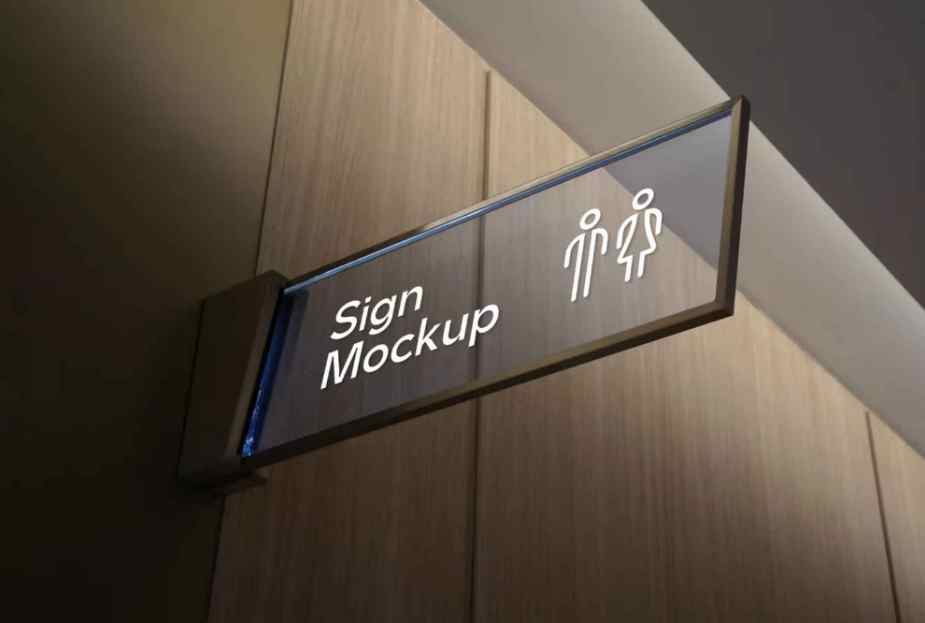
If people walk into your building and feel confused, unsafe, or lost, you have a signage problem. Indoor signage is the system of visual signs inside your facility that guides, informs, protects, and influences behavior. When done right, it improves safety, customer experience, and operational efficiency immediately.
In my experience, clear indoor signage is one of the fastest, most cost-effective fixes decision makers can implement.
Why Is Indoor Signage So Important?
You cannot rely on verbal instructions or employee memory. People respond to what they see.
Indoor signage reduces confusion, supports compliance, and protects your brand.
The mistake I see most often is treating signage as decoration instead of infrastructure. It’s not optional. It’s operational.
When signage is clear and consistent, you get:
- Fewer accidents
- Less downtime
- Better visitor experience
- Stronger compliance posture
What Types of Indoor Signage Do You Actually Need?
Different facilities require different systems. But most buildings need these core categories:
1. Safety Signage
Warns and prevents injuries.
- PPE requirement signs
- Electrical hazard warnings
- Emergency exit signage
Here is what actually works: use ANSI-compliant colors, bold fonts, and symbols. Avoid cluttered wording.
2. Wayfinding Signage
Helps people move easily.
- Directional arrows
- Department identifiers
- Floor directories
In my experience, poor wayfinding frustrates visitors more than long wait times.
3. Informational Signage
Supports operations.
- Room labels
- Policy reminders
- Capacity limits
4. Branding and Environmental Graphics
Reinforces identity.
- Lobby displays
- Mission statements
- Interior wall graphics
Decision makers often overlook branding indoors. That’s a missed opportunity to build trust and credibility.
How Does Indoor Signage Reduce Risk and Liability?
If someone slips near an unmarked wet floor, your exposure increases. If a fire exit isn’t clearly labeled, the consequences can be severe.
Proper indoor signage:
- Demonstrates due diligence
- Supports OSHA compliance
- Provides clear hazard communication
- Reduces preventable incidents
In my audits, I consistently find faded signs, blocked exits, or missing hazard labels. These are small issues that create big risks.
What Makes Indoor Signage Effective?
Not all signs work. Placement and design matter.
Follow These Principles:
- Place signs at eye level
- Keep messages under 7 words when possible
- Use pictograms for multilingual environments
- Ensure high contrast and proper lighting
- Inspect annually for wear or damage
The biggest mistake I see? Installing signage once and never reviewing it again. Facilities change. Your signage should evolve too.
How Does Indoor Signage Impact Business Performance?
Clear signage improves flow and productivity.
Employees waste less time asking questions. Visitors navigate confidently. Emergency response becomes faster.
In retail and healthcare environments, better navigation directly improves satisfaction scores. In industrial settings, it reduces downtime and injury rates.
Indoor signage is not an expense. It’s risk management and operational efficiency combined.
Final Words
Walk your building today. Look at it from a visitor’s perspective.
Ask yourself:
- Can someone new navigate easily?
- Are all hazards clearly marked?
- Do signs look professional and compliant?
- When was the last full signage review?
Indoor signage is one of the simplest upgrades with immediate impact. If you want fewer accidents, stronger compliance, and better customer experience, start with a structured signage audit and implement improvements where gaps exist.
The facilities that get this right don’t just look organized — they operate better.