
In the corporate world of Crystal Lake, the way you present information is just as important as the information itself. You may have the most data-driven annual report or the most creative product catalog, but if the pages are loose, stapled unevenly, or falling apart, your message loses its authority. Book binding is the final, essential step in the production process that transforms a stack of paper into a cohesive, durable, and professional document.
Whether it is for a high-stakes board meeting or a training manual that will be used for years, the right binding ensures your work is easy to handle, beautiful to look at, and built to last.
Why Professional Binding Matters
Many people underestimate how much the “physicality” of a document affects its perception. Professionally bound books offer several advantages:
- Enhanced Durability: Bound documents can withstand frequent flipping, traveling in briefcases, and long-term storage without losing pages.
- Ease of Use: Certain binding styles allow books to lay completely flat, making them much more user-friendly for note-taking or hands-on tasks.
- Brand Credibility: Handing a client a “perfect-bound” book feels like handing them a published work, which immediately elevates your brand’s status.
To help you choose the best fit for your project, Alpha Graphics Crystal Lake offers a variety of styles tailored to different page counts and functional needs.
Popular Binding Styles for 2026
Choosing the right method depends on the purpose of the book and how often it will be handled.
1. Coil (Spiral) Binding
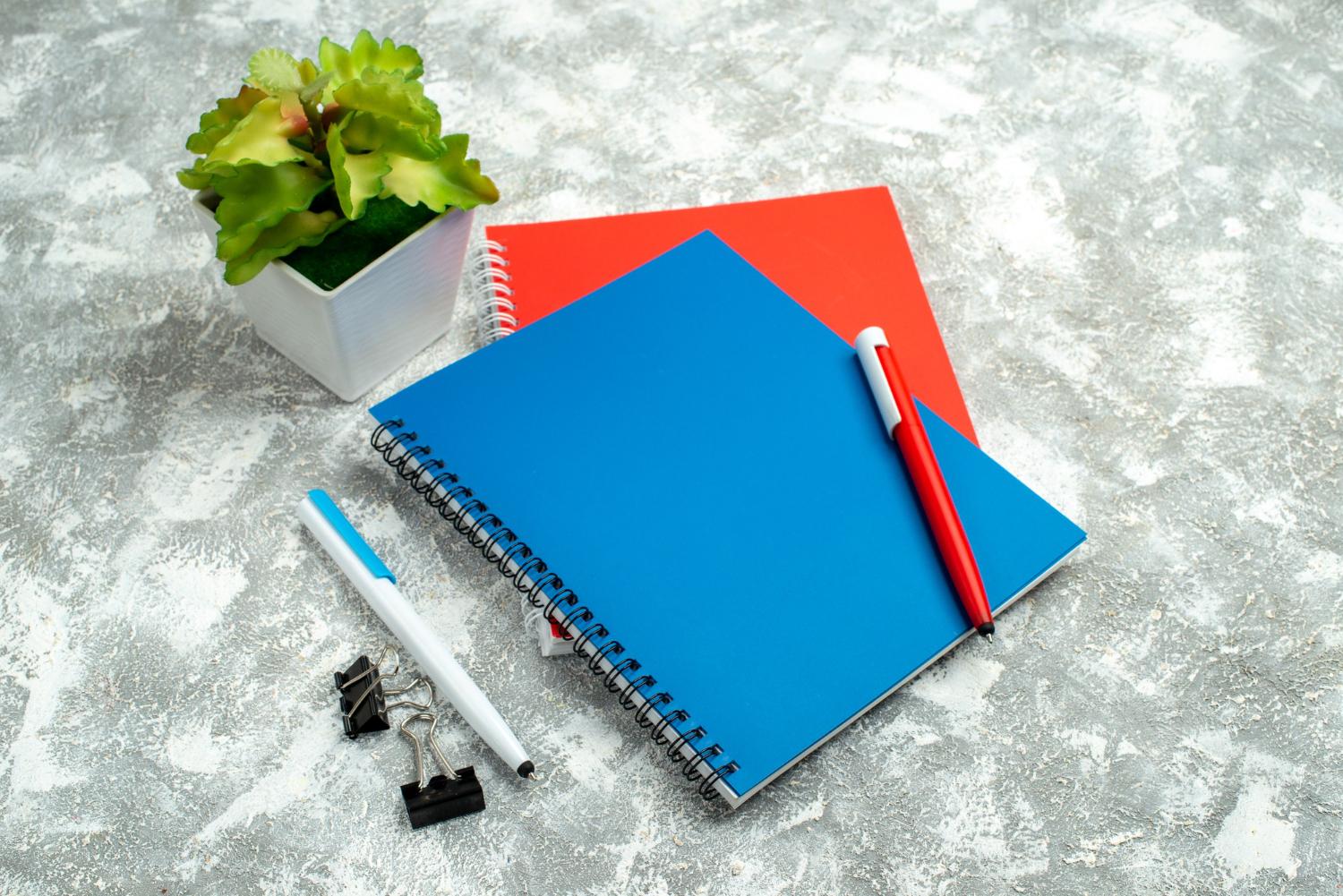
This is the go-to choice for manuals, workbooks, and internal reports. A durable plastic coil is threaded through holes punched along the edge, allowing the book to open 360 degrees.
- Best for: Training guides and cookbooks where “lay-flat” functionality is a must.
2. Wire-O Binding
Similar to coil binding but using a double-loop metal wire, Wire-O offers a more “executive” and polished look. It still allows the book to lay flat but adds a touch of sophistication.
- Best for: Professional presentations, portfolios, and high-end journals.
3. Perfect Binding (Softcover)
This is the method used for standard paperback books. The pages are glued to a wrap-around cover, creating a clean, squared-off spine that you can print on.
- Best for: Annual reports, catalogs, and self-published novels.
4. Saddle-Stitching
The most cost-effective and quickest method, saddle-stitching involve folding sheets and stapling them along the centerfold.
- Best for: Magazines, event programs, and brochures with a lower page count (typically under 64 pages).
Technical Details: The “Gutter” and Margin Setup
One common mistake in DIY book design is forgetting to account for the “gutter”—the space where the pages are joined. If your text or images are too close to the binding edge, they may get “lost” in the fold or punched through by the coil.
When you work with Alpha Graphics Crystal Lake, their design team helps you calibrate your margins perfectly. This ensures that every chart is visible and every word is legible, regardless of which binding style you choose.
[Table: Choosing the Right Binding Based on Page Count]
| Binding Method | Ideal Page Count | Lay-Flat? | Professional Level |
| Saddle-Stitch | 8 – 64 pages | Yes | Good (Economical) |
| Coil / Spiral | 16 – 300+ pages | Yes | Great (Functional) |
| Perfect Bound | 48 – 250+ pages | No | Excellent (Retail Look) |
| Wire-O | 16 – 200 pages | Yes | Premium (Executive) |
Adding the Final Touch: Protective Covers
Book binding isn’t just about the spine; it’s about the entire package. Adding a clear acetate front cover can protect your work from spills and smudges, while a heavy-duty cardstock back cover provides stability. For high-end reports, a matte or glossy lamination on the cover can add that final “wow” factor that makes the recipient hesitate before ever putting the book down.
Conclusion
In a digital-first world, a high-quality physical book makes a powerful statement. It says that the contents are important, that the details matter, and that your business is here for the long haul. By selecting the right binding method, you aren’t just “holding it all together”—you are packaging your ideas in a way that demands respect.